
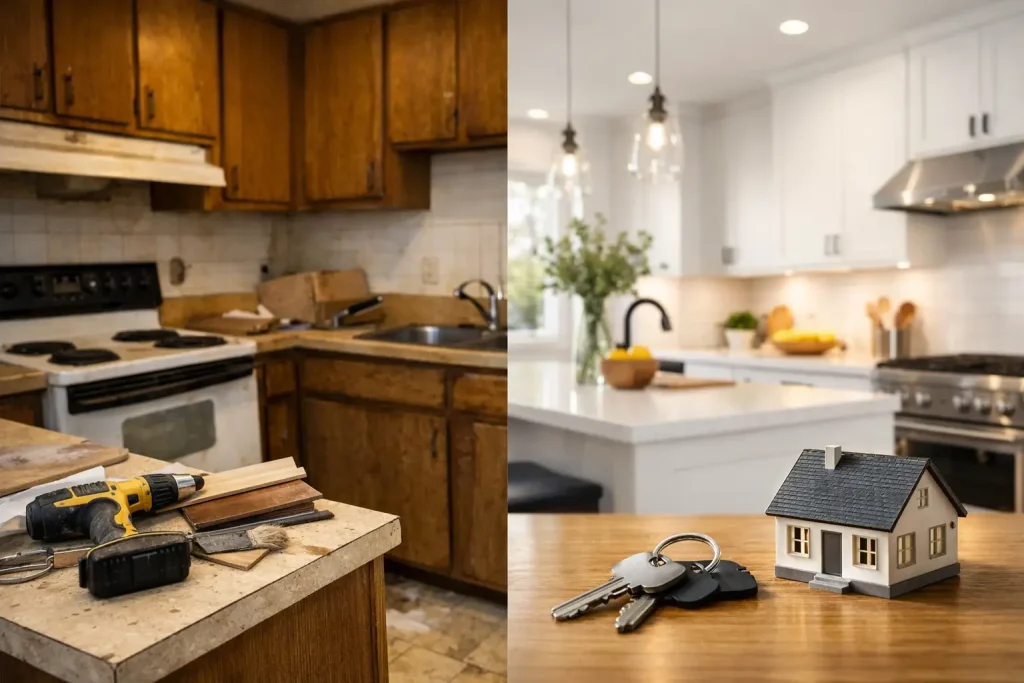
A dated kitchen gets attention fast, and not in a good way. When sellers ask, should i update my kitchen before selling, the right answer is usually not a simple yes or no. It depends on your local market, your price point, the condition of the kitchen, and how much time and money you can invest before listing.
In the DC and Maryland market, buyers notice kitchens because they are one of the most used and most expensive spaces in the home. But that does not mean every seller should take on a full remodel. In many cases, a focused update does more for resale than a major renovation.
Should I update my kitchen before selling or keep it as-is?
Start with the current condition. If your kitchen is clean, functional, and reasonably maintained, you may not need a full update at all. Buyers can overlook older finishes more easily than they overlook visible damage, poor layout, broken fixtures, or signs of neglect.
If cabinets are hanging unevenly, countertops are damaged, flooring is worn out, or lighting is poor, those issues can affect showings and offers. Buyers often assume visible kitchen problems mean there may be hidden issues elsewhere in the house. That is where even modest improvements can help protect value.
On the other hand, if the kitchen is simply a few years behind current style trends but still in solid condition, a complete renovation may not pay you back. Many sellers over-improve before listing and do not recover the full cost.
What buyers care about most
Most buyers are not expecting a luxury showroom unless the home is priced in a higher-end segment. What they want is a kitchen that feels clean, bright, functional, and move-in ready.
That usually means working appliances, good lighting, cabinet doors and drawers that open properly, clean surfaces, and finishes that do not make the room feel tired. A fresh, neutral presentation often matters more than premium materials.
This is why cosmetic improvements can be effective. New paint, updated hardware, improved lighting, a repaired backsplash, or replacing worn countertops can change how the entire room feels without the cost of moving plumbing or rebuilding the layout.
When a kitchen update is worth it
A kitchen update is usually worth considering when the existing space hurts marketability. That includes obvious wear, outdated finishes that make the home feel older than competing listings, or deferred maintenance that raises concerns during buyer walkthroughs.
It can also make sense if your agent is consistently telling you the kitchen is the main objection point compared with similar homes nearby. In competitive neighborhoods, one weak room can drag down the overall impression of the property.
If you are selling a rental or inherited home, updates may also help if the kitchen has years of accumulated wear. In those cases, the goal is not to personalize the space. It is to remove friction for buyers and support a stronger asking price.
When you should skip a major remodel
If you are planning to sell soon, a full kitchen renovation is often more work than you need. Major projects take time, require material decisions, and can uncover code or structural issues once walls are opened. That may make sense if you plan to stay in the home and enjoy the result. It is less attractive when the property is about to hit the market.
You should also be cautious about a major update if the rest of the home is not at the same level. A high-end kitchen in an otherwise average house can create an imbalance that buyers do not fully value. They may appreciate it, but they still compare your home to others in the same range.
There is also the issue of taste. The more money you spend on design-specific finishes, the greater the chance a buyer would have chosen something different. Neutral, broadly appealing updates are safer for resale.
The best pre-sale kitchen improvements
If you decide to improve the space, focus on items with visible impact and practical value. Cabinet painting or refinishing can be effective if the cabinet boxes are in good shape. Replacing dated hardware is inexpensive and makes a noticeable difference.
Countertops are another strong consideration when existing surfaces are stained, chipped, or visibly worn. You do not always need a premium material. You need something clean, durable, and appropriate for the home.
Lighting is often overlooked. An older kitchen with poor overhead lighting can feel smaller and less inviting than it really is. Updated fixtures and brighter task lighting can improve both function and presentation.
Flooring matters too, especially if it is damaged or hard to clean. Buyers notice soft spots, cracked tile, and worn surfaces right away. Addressing those issues can help the whole home feel better maintained.
Appliances are more situational. If they are mismatched, nonfunctional, or visibly near the end of their life, replacing them may be worthwhile. But if they work well and suit the price point, new appliances are not always necessary.
Repairs matter more than style
One of the biggest mistakes sellers make is spending money on aesthetics while ignoring repairs. Loose outlets, leaks under the sink, water-damaged cabinet bases, failing caulk, and nonworking exhaust fans send the wrong message.
Buyers and inspectors pay attention to these details. Even if the finishes are older, a kitchen that is solid and properly maintained inspires more confidence than one that looks updated on the surface but still has unresolved issues.
This is especially true in older homes across DC and Maryland, where renovation work may intersect with electrical upgrades, ventilation requirements, or hidden water damage. Pre-sale kitchen work should improve both appearance and condition, not just one or the other.
Think in terms of return, not perfection
If you are asking should i update my kitchen before selling, the better question is often how much update is enough. You are not trying to build your dream kitchen. You are trying to make smart decisions that support the sale.
That usually means setting a clear budget and avoiding changes that will not meaningfully affect buyer perception. Painting walls, repairing drywall, replacing an old faucet, installing a cleaner backsplash, or resurfacing cabinets may provide a better return than tearing everything out.
A practical pre-sale update should help the home photograph well, show well, and reduce buyer objections. It does not need to impress everyone. It needs to make the kitchen feel cared for and easy to move into.
How to decide based on your timeline
If you have several months before listing, you have more flexibility to complete a targeted update properly. That allows time for contractor scheduling, material lead times, and any permit-related work if needed.
If you are selling quickly, stay focused on repairs, paint, lighting, and cleanup. Deep cleaning, decluttering, and correcting obvious wear can go a long way in a short timeframe.
Timing also affects cost. Rushed work tends to be more expensive and can create avoidable mistakes. If your schedule is tight, prioritize what buyers will notice first and what could create inspection concerns later.
Local market conditions make a difference
In some neighborhoods, buyers expect updated kitchens and may discount homes that need work. In others, especially where inventory is tight, a clean but older kitchen may still sell well. Your home value, buyer profile, and surrounding comparable sales all shape the right answer.
That is why local contractor input can be useful before you invest. A professional who understands the housing stock in Prince George’s County and the greater DC and Maryland market can help you separate necessary improvements from unnecessary spending. Capitol Area Services Inc. often works with property owners who need exactly that kind of practical scope decision.
A simple rule for sellers
If the kitchen has damage, deferred maintenance, or finishes that clearly pull down the home, update it strategically. If it is functional, clean, and in line with the rest of the house, keep the work limited and spend carefully.
Buyers do not need a perfect kitchen to make an offer. They need to believe the home has been maintained and priced appropriately. When you make pre-sale kitchen decisions with that standard in mind, you are much more likely to spend wisely and sell with fewer obstacles.
Before you commit to a remodel, walk through the room the way a buyer will. If the kitchen feels clean, solid, and easy to live with, you may already be closer to ready than you think.