
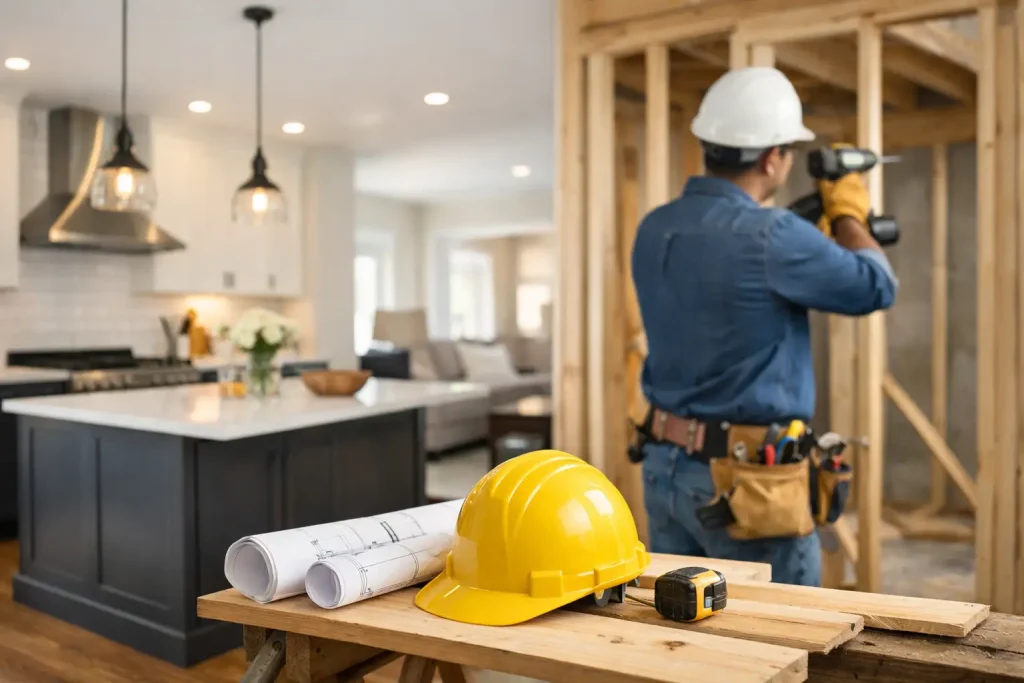
A kitchen that no longer functions, a bathroom with hidden water damage, or a house that needs a full rehab after purchase all raise the same question: who can take responsibility for the entire job and get it done correctly? That is where residential remodeling and construction becomes more than a cosmetic upgrade. It becomes a matter of planning, code compliance, budget control, and workmanship that holds up over time.
In the DC and Maryland market, property conditions vary widely. Some homes need targeted updates to improve daily use. Others need structural repairs, major system upgrades, restoration after fire or water damage, or a full design-build approach from concept to completion. The common factor is that the work has to be handled by a contractor who understands local requirements, sequencing, inspections, and the practical realities that affect cost and schedule.
What residential remodeling and construction really covers
Many property owners use the terms remodeling, renovation, and construction interchangeably, but the scope can be very different. Remodeling usually means changing the layout, function, or finish of an existing space. Construction can include additions, structural work, rebuilding damaged areas, or even ground-up work on residential property. In practice, many projects involve both.
A kitchen remodel may start with cabinets and countertops but quickly expand into plumbing relocation, electrical upgrades, drywall repair, flooring, ventilation, and permit requirements. A bathroom update can uncover mold, framing damage, or outdated piping. A newly purchased home may need code corrections before cosmetic improvements even begin. That is why experienced contractors look at the whole property, not just the visible finishes.
For homeowners and investors, this matters because the cheapest visible fix is not always the least expensive project. If the work ignores underlying issues, you may end up paying twice.
Why planning matters in residential remodeling and construction
Good results start long before demolition. The planning stage is where realistic budgets, timelines, and scope are established. It is also where many avoidable problems are prevented.
A dependable contractor begins by identifying what the project needs to accomplish. Sometimes that means modernizing a dated home for long-term living. Sometimes it means preparing a property for sale or rental. In other cases, it means restoring a home after damage while meeting insurance requirements or lender standards, especially on specialized rehab projects such as FHA 203K work.
The details matter. Existing conditions need to be evaluated carefully. Structural elements, electrical capacity, plumbing condition, HVAC performance, moisture issues, and code compliance should all be reviewed early. If those items are skipped, the project may look straightforward on paper but become expensive once the walls are opened.
Planning also helps owners make better trade-offs. If the budget is fixed, where will the money have the greatest impact? In some homes, a layout change delivers more value than premium finishes. In others, correcting deferred maintenance and improving core systems is the smarter investment. It depends on how the property will be used, how long the owner plans to keep it, and what condition the building is in now.
Kitchen, bath, and whole-home work require different approaches
Kitchens and bathrooms are often the first projects owners consider because they affect daily life and property value. They also tend to be the rooms where hidden issues are found.
Kitchen remodeling often includes cabinetry, countertops, flooring, lighting, appliance coordination, and plumbing or electrical updates. But kitchens also demand careful measurements, proper ventilation, and code-compliant installation. If walls are being removed or layouts changed, structural review may be needed as well.
Bathroom remodeling is usually less forgiving because moisture exposure is constant. Waterproofing, substrate preparation, proper slope, ventilation, and leak prevention are just as important as tile and fixtures. A bathroom that looks finished but was built carelessly can fail quickly.
Whole-home remodeling raises the stakes further. Once multiple rooms, systems, or structural elements are involved, project coordination becomes central. Trades need to be sequenced correctly. Materials need to be ordered on time. Inspections need to be scheduled. Occupied homes need a plan for access, dust control, and safety. This is where experience has a direct effect on whether a project moves steadily or stalls.
Code compliance is not optional
One of the biggest mistakes in residential projects is treating permits and code compliance as an afterthought. In older homes across Washington, DC and Maryland, work often uncovers outdated wiring, plumbing that no longer meets current standards, or prior modifications that were never done properly.
Code compliance protects more than inspection approval. It affects safety, insurance, financing, resale, and the long-term durability of the work. If a project includes structural changes, service upgrades, additions, or significant mechanical work, proper permits and inspections are part of doing the job right.
This is especially important for buyers taking on distressed properties or rehab projects financed through programs with specific requirements. Those projects need a contractor who can document scope clearly, perform the work to standard, and keep the project aligned with lender or program expectations.
Restoration work changes the timeline and the priorities
Not every project starts with a planned remodel. Fire damage, water intrusion, mold, or storm-related issues can force owners into urgent decisions. In those cases, residential remodeling and construction often overlaps with restoration.
The priority shifts from aesthetics to stabilization, safety, and preventing further damage. Water must be addressed before hidden moisture creates larger issues. Fire-damaged materials may need removal and replacement. Mold conditions require proper remediation, not surface treatment. Once the property is safe and dry, rebuilding can begin.
This kind of work benefits from having one contractor who can move from assessment to repair to reconstruction without creating gaps in responsibility. Owners already dealing with disruption do not need finger-pointing between vendors. They need a clear plan and steady execution.
Choosing a contractor for more than the visible finish
Most property owners can judge whether they like a tile color or countertop material. Fewer can easily judge framing quality, flashing details, ventilation design, or whether a repair was done in a way that will last. That is why contractor selection should be based on more than photos.
Look for licensing and insurance first. Then look at the company’s ability to manage the full scope of work you actually need. A contractor who can handle repairs, remodeling, restoration, inspections, and code-driven corrections is often better equipped for real-world conditions than one focused only on surface upgrades.
Communication matters too. Estimates should be clear. Scope should be defined. Change orders should be explained. Timelines should be realistic, not overly optimistic. Problems should be addressed directly. In this industry, reliability is not just about showing up. It is about taking responsibility when the project becomes more complex than expected.
For many owners in Prince George’s County and the surrounding DC/Maryland area, the right fit is a contractor with strong local experience and broad capability. Capitol Area Services Inc. works in that practical space, where projects range from kitchen and bath renovations to restoration, inspections, repairs, and larger rehabilitation work.
Budget decisions should match the property and the goal
Every remodeling decision has a cost, but not every cost delivers the same return. A rental property, a long-term family home, and a house being prepared for resale should not all be improved the same way.
In a long-term residence, owners may prioritize layout, comfort, and durable materials that reduce maintenance over time. In a resale project, market expectations and neighborhood standards matter more. In a rental, the goal is often to improve safety, function, and durability while controlling turnover and repair costs.
A disciplined approach to budget helps avoid overbuilding or underinvesting. It is usually better to complete the right scope properly than to spread funds too thin across too many cosmetic items. When needed, phased work can be the smarter path, especially in older properties where conditions may evolve as the project progresses.
A good project feels organized from the start
Residential remodeling is disruptive by nature. Rooms may be out of service. Dust and noise are unavoidable. Materials can have lead times. Inspections can affect the schedule. Even well-planned jobs require flexibility.
What owners should expect, however, is organization. They should know what is happening, what comes next, and how decisions will affect budget and timeline. They should also know that the work is being performed with attention to safety, workmanship, and compliance.
That is the difference between a project that simply gets done and one that actually adds value. The visible finish matters, but the real success of residential remodeling and construction is measured in how well the property functions, how reliably it performs, and how confidently the owner can move forward once the job is complete.
If you are considering improvements, repairs, or a full rehab, start with a realistic assessment of the property and the outcome you need. The right plan, handled by the right contractor, can save time, protect your investment, and make the finished result worth living with for years.