
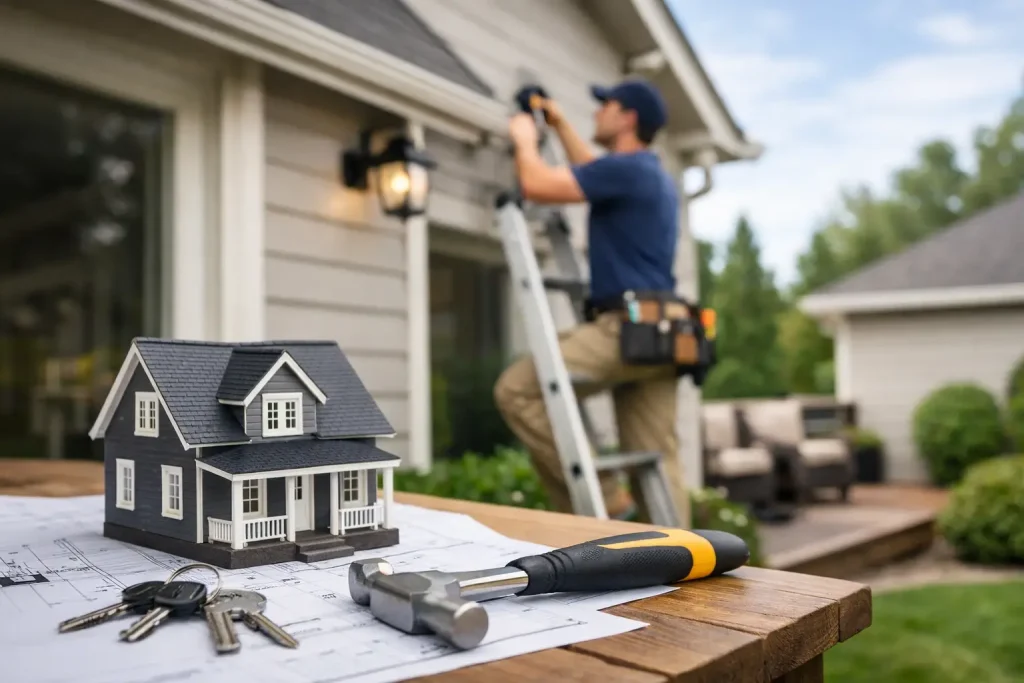
A small leak below a kitchen sink can become damaged cabinetry, mold growth, a tenant complaint, and a vacant unit if it is left too long. That is why property maintenance for landlords is not simply a repair expense. It is a practical system for protecting the building, meeting basic habitability expectations, keeping good tenants, and preserving rental income.
For landlords in Washington, DC, Prince George’s County, and surrounding Maryland communities, maintenance also has a local dimension. Older housing stock, seasonal temperature swings, moisture concerns, permit requirements, and different jurisdictional rules can all affect what needs attention and how quickly it should be handled. The most effective approach is planned, documented, and supported by qualified professionals when the work requires it.
Property Maintenance for Landlords Starts With Priorities
Not every issue carries the same risk. A worn cabinet pull can often wait. A failed smoke detector, active water leak, loose handrail, electrical concern, or loss of heat cannot. Landlords need a clear process for sorting routine repairs from conditions that could threaten safety, cause property damage, or create a habitability problem.
The first priority is always health and safety. This includes functioning smoke and carbon monoxide alarms where required, secure locks and doors, safe stairs and railings, reliable electrical systems, working plumbing, and heat during the heating season. Water intrusion also belongs near the top of the list because it can spread quickly behind walls, under flooring, and through ceilings.
The second priority is preventing a small defect from becoming a capital expense. A roof flashing issue, slow drain, loose toilet, deteriorated caulk, or failing exterior seal may not stop a tenant from using the home today. But timely repairs can prevent rot, mold, structural deterioration, and larger restoration work later.
Finally, consider the tenant experience. Promptly resolving issues with appliances, lighting, HVAC performance, doors, and common areas helps reduce frustration and makes tenants more likely to renew. Turnover is expensive. Maintenance is often one of the most direct ways to protect occupancy.
Build a Schedule Instead of Waiting for Calls
Reactive maintenance is unavoidable at times, particularly after storms, plumbing failures, or equipment breakdowns. It should not be the entire strategy. A preventive schedule gives landlords control over costs and reduces disruption for tenants.
Seasonal inspections are a sensible starting point. Before winter, check heating performance, exposed pipes, weatherstripping, gutters, roof conditions, and exterior drainage. In spring, inspect for water damage, foundation or masonry concerns, damaged siding, and landscape conditions that direct water toward the building. Before peak cooling season, service HVAC equipment and replace filters as appropriate.
Inside each unit, regular inspections can identify problems tenants may not recognize or may delay reporting. Look beneath sinks, around toilets and tubs, at window sills, under HVAC equipment, and around ceilings for signs of moisture. Test exhaust fans, verify that doors close and lock properly, and examine caulking and grout in kitchens and bathrooms. Give proper notice and follow applicable local rules before entering an occupied unit.
A schedule should also account for the building’s age and systems. A recently renovated unit may need basic checks and minor upkeep. A property with an older roof, galvanized plumbing, aging electrical panels, or original windows needs closer monitoring and a realistic replacement plan.
Document Repairs and Inspections Carefully
Good records protect both the property and the landlord. Keep maintenance requests, inspection notes, photographs, invoices, warranties, permits, and written communication organized by property and unit. Record when a concern was reported, when it was inspected, what work was completed, and whether follow-up was needed.
Documentation is especially useful when a repair involves water damage, mold concerns, insurance claims, repeated tenant reports, or work that requires permits and inspections. It also makes budgeting more accurate. If a water heater has needed repeated repairs, or a roof leak has returned several times, the records help show when replacement is more cost-effective than another temporary fix.
For larger work, obtain a clear written scope. It should identify the condition being addressed, materials or systems involved, expected work, and any conditions that could change the cost once concealed areas are opened. Older buildings can reveal damaged framing, obsolete wiring, hidden moisture, or code-related upgrades that were not visible during an initial walkthrough.
Know When a Repair Requires a Licensed Professional
Landlords can handle simple tasks such as changing filters, tightening hardware, touching up paint, or replacing a damaged doorstop. The line should be drawn before a task affects safety, building systems, code compliance, or insurance coverage.
Electrical repairs, significant plumbing work, gas-related equipment, HVAC service, structural repairs, roofing, mold remediation, and fire or water restoration generally call for qualified professionals. Depending on the project and jurisdiction, permits, licensed trades, and inspections may be required. Skipping those steps can create delays during a sale, refinancing, insurance claim, or future renovation.
The lowest estimate is not always the lowest cost. A poorly completed repair can lead to repeat calls, tenant disruption, damage to adjacent units, and more extensive work later. Look for contractors who are properly licensed and insured, communicate clearly, provide defined scopes, and understand local code requirements.
For owners with multiple properties, using a contractor with broad capabilities can simplify maintenance decisions. One trusted team that can address unit turns, plumbing-related damage, drywall repairs, remodeling, exterior conditions, and restoration work reduces the need to coordinate several unrelated vendors during an urgent situation.
Plan for Unit Turnovers Before the Lease Ends
A turnover period is one of the best opportunities to address deferred maintenance and improve a unit’s long-term performance. Waiting until the former tenant has moved out to begin planning can extend vacancy and put pressure on repair decisions.
Start with a pre-move-out assessment when appropriate. Identify paint, flooring, appliance, plumbing, lighting, drywall, and cleaning needs early. Order long-lead materials before the unit is empty if replacements are likely. This is particularly helpful for matching flooring, cabinets, doors, windows, or specialty fixtures.
Turnovers are also the right time to correct recurring issues. If a bathroom fan has been inadequate, a kitchen layout has caused repeated cabinet damage, or aging flooring has required patch after patch, a targeted upgrade may be smarter than another cosmetic repair. Improvements should fit the rental market and the expected return, not simply follow the latest design trend.
Budget for Maintenance, Repairs, and Replacements Separately
A common mistake is treating every property expense as one maintenance category. Routine maintenance, unexpected repairs, and major replacements are related but should be planned differently.
Routine maintenance covers predictable work such as HVAC servicing, gutter cleaning, caulk replacement, minor plumbing adjustments, and common-area upkeep. Repairs address failures such as a broken disposal, leaking pipe, damaged door, or appliance issue. Capital replacements involve larger items with a service life, including roofs, HVAC systems, water heaters, windows, flooring, and major kitchen or bathroom components.
Separating these categories helps landlords see whether a property is suffering from neglect, normal wear, or an aging system that is nearing the end of its useful life. It also supports better decisions about rent-ready upgrades, refinancing, or a larger renovation.
Set aside reserves based on the property’s condition, not a single generic percentage. A newer condo with a well-managed association has different needs than an older detached rental with a basement, roof, mechanical systems, and exterior drainage to maintain. An inspection can help establish priorities and identify the projects that should be funded first.
Respond to Water and Mold Concerns Without Delay
Water is one of the most expensive maintenance issues because damage may be hidden long before it becomes obvious. A stain on a ceiling, buckled flooring, persistent musty odor, or peeling paint can indicate a larger moisture problem. The source must be identified and stopped before cosmetic repairs are made.
After a significant leak or flood, the work may involve water extraction, drying, removal of damaged materials, repairs to plumbing or roofing, and restoration of walls, ceilings, flooring, or cabinets. If mold is present or suspected, the response should be based on the scope of the condition and the source of moisture, not simply on applying paint or cleaning a visible area.
Fast communication matters. Tenants should know how to report urgent issues and what steps to take to limit additional damage, such as shutting off a fixture valve when safe to do so. Landlords should have dependable emergency contacts and a plan for access when a problem affects an occupied unit.
Make Maintenance Part of Your Investment Strategy
The best-maintained rentals do not necessarily receive the most expensive upgrades. They receive the right work at the right time. Landlords who inspect regularly, respond promptly, document decisions, and invest in qualified repairs are better positioned to protect their buildings and avoid preventable vacancies.
Capitol Area Services Inc. supports landlords and property managers with maintenance, repairs, unit improvements, restoration, and code-conscious construction work across the DC and Maryland region. A practical maintenance plan gives every repair a purpose: safer housing, fewer surprises, and a property that remains ready for the next tenant or the next opportunity.