
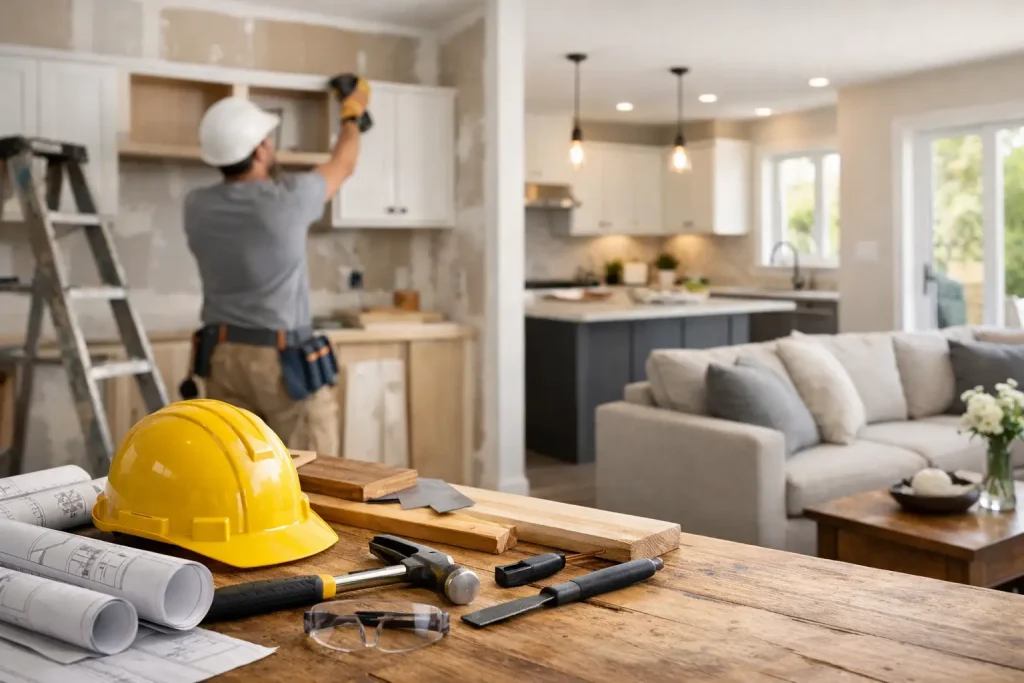
A kitchen that no longer functions, a bathroom with water damage behind the walls, or a recently purchased property that needs major updates – these are the real reasons most home remodeling and renovations begin. For homeowners and property owners in Washington, DC and Maryland, the stakes are high. You are not just choosing finishes. You are making decisions about safety, code compliance, long-term value, and how smoothly the project will move from demolition to final inspection.
The difference between a project that adds value and one that creates delays usually comes down to planning, scope control, and the contractor’s ability to manage the full job. That matters even more in older homes, occupied properties, and rehab projects where hidden issues are common.
Why home remodeling and renovations need more than design ideas
A good-looking result is only part of the job. Behind every finished kitchen, bathroom, addition, or full interior update, there are systems that have to work together correctly. Plumbing lines may need to be relocated. Electrical service may need upgrades. Structural framing may need reinforcement. Ventilation, moisture control, and code-required clearances cannot be treated as afterthoughts.
This is where many projects go off track. A plan that looks simple on paper can become more involved once walls are opened or existing conditions are reviewed. In the DC and Maryland region, where many homes have older construction, additions from different decades, or deferred maintenance, that risk is real. Reliable remodeling starts with a clear assessment of the property as it exists, not just the finish result the owner wants to see.
The projects that deliver the strongest return
Not every renovation has the same purpose. Some are about daily function. Some are about resale. Some are driven by damage, financing requirements, or property turnover timelines. The right scope depends on the building, the budget, and the reason for the work.
Kitchens and bathrooms
Kitchens and bathrooms remain the most requested upgrades because they affect daily use and property value at the same time. These spaces also involve the most coordination between trades. Cabinet layout, appliance placement, plumbing rough-ins, tile work, lighting, and ventilation all have to be handled in the correct sequence.
A cosmetic update may be enough if the layout works and the underlying systems are sound. If the room has poor flow, outdated wiring, chronic leaks, or signs of moisture damage, a deeper renovation is usually the better investment. Spending less upfront on a surface-level upgrade can lead to rework later.
Whole-home remodeling
Whole-home work makes sense when a property has multiple outdated rooms, inconsistent finishes, or repair issues that affect more than one area. It can also be the right choice for buyers who have purchased a home with good location value but poor interior condition.
The main advantage of a broader renovation is coordination. Instead of fixing rooms one by one over several years, owners can address layout changes, flooring continuity, mechanical updates, and finish selections in one organized plan. The trade-off is that the project requires stronger scheduling, clearer budgeting, and more detailed pre-construction decisions.
Restoration-driven renovation
Some remodeling begins after water, fire, or mold damage. In those cases, the project is not only about replacing materials. It is about finding the source, correcting the damage properly, and rebuilding to safe, code-compliant condition. Owners often want the restored area to look better than it did before the loss, which makes careful scope definition especially important.
What smart planning looks like before work starts
The most successful home remodeling and renovations are usually the ones that spend enough time in the planning stage. That does not mean endless design meetings. It means making practical decisions early enough to avoid change orders, material delays, and avoidable downtime.
Start with the scope. Are you changing layout, just replacing finishes, or correcting hidden problems as well? Then look at priorities. If the budget cannot support every item, identify what must be done now and what can wait. Structural repairs, water intrusion, and electrical deficiencies should not compete with decorative upgrades.
Material selections also matter more than many owners expect. Lead times on cabinets, tile, fixtures, windows, and specialty products affect scheduling. A project cannot move efficiently if key items are undecided or unavailable when the installation phase begins.
Permits and inspections should be part of this conversation from the start. Owners sometimes assume permitting slows a job down, but the bigger risk is trying to avoid the process on work that legally requires it. Unpermitted work can create resale issues, insurance problems, and expensive corrections later.
Choosing the right contractor for remodeling work
Price matters, but it should not be the only filter. A low estimate may leave out code-required work, realistic allowances, or project management responsibilities that become your problem later. When comparing contractors, look beyond the initial number.
A qualified contractor should be able to explain the scope clearly, identify likely problem areas, and discuss scheduling in practical terms. Licensing and insurance are basic requirements, not extras. Experience with local codes, inspections, and common property conditions in the DC and Maryland market also matters. A contractor who handles both remodeling and repair work often has a better understanding of what is behind the walls, not just what goes on the surface.
It also helps to work with a company that can manage varied project needs under one roof. A remodel can uncover framing damage, mold concerns, outdated service panels, or exterior issues contributing to interior problems. When one team can address those conditions responsibly, the project tends to move with fewer handoff problems.
Common issues that affect budget and schedule
Even well-planned jobs can change once work begins. That is normal. The question is whether those changes are manageable or disruptive.
Older properties often reveal hidden plumbing leaks, noncompliant wiring, subfloor damage, or previous work that was done without proper methods. In some homes, the floor is not level, the walls are out of square, or earlier additions created transitions that complicate new work. None of that means the project should stop. It means the contractor needs enough experience to identify the issue, explain the options, and complete the correction the right way.
Occupied homes add another layer. If the owner or tenants are living in the property during construction, staging and protection become part of the job. Dust control, temporary utility interruptions, site access, and work-hour planning all need to be handled with discipline.
For landlords and property managers, speed can be important, but so is durability. Fast turnover work that does not hold up becomes repeat expense. It is usually more cost-effective to complete repairs and renovations with materials and workmanship that reduce future service calls.
Financing, compliance, and rehab realities
Some buyers and owners are using renovation financing, including FHA 203K programs, to improve a property that would not qualify in its current condition. These projects require more than construction ability. They require documentation, scope discipline, and an understanding of how required repairs fit into financing rules.
That is one reason experience matters. Projects tied to lending, insurance restoration, or code correction leave less room for guesswork. The work has to be documented properly and completed to the standard required by the program or authority involved.
For owners trying to balance ambition with budget, it often makes sense to separate wants from requirements. Open-concept changes, upgraded finishes, and custom details can be worthwhile, but they should not come at the expense of roof leaks, drainage problems, unsafe wiring, or unresolved moisture conditions. Good remodeling improves appearance and performance together.
A practical standard for better results
The best remodeling projects are not always the most expensive or the most elaborate. They are the ones with a clear scope, realistic budget, proper permitting, and workmanship that holds up after the crew leaves. That standard matters whether you are updating a family home, preparing a rental unit, restoring damage, or renovating a newly purchased property.
For property owners in this region, dependable execution is what protects the investment. That means working with a contractor who understands construction, communicates directly, and takes responsibility for the full result. Capitol Area Services Inc. approaches projects with that standard in mind.
If you are planning work, start by asking the right question: not just how you want the space to look, but what the property needs to perform better five years from now.