
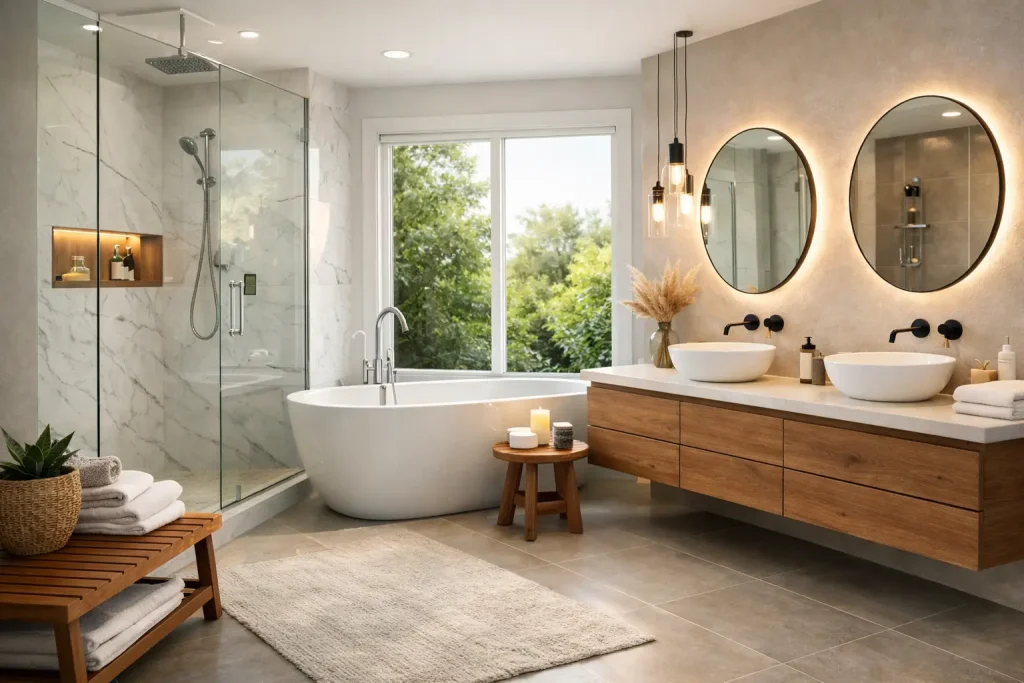
A dated bathroom can drag down an otherwise solid property showing in a matter of minutes. Buyers notice worn tile, weak lighting, poor ventilation, and layouts that feel cramped. If you are planning bathroom upgrades that add value, the goal is not to chase every trend. It is to invest in improvements that make the space cleaner, more functional, and easier to maintain while meeting the expectations of buyers and property owners in the DC and Maryland market.
The best return usually comes from work that solves real problems. A bathroom that looks better but still has moisture issues, poor drainage, or outdated wiring will not perform the way it should. Value comes from finishes, but it also comes from workmanship, code compliance, and choices that fit the age and price point of the property.
Which bathroom upgrades that add value matter most?
In most homes, value comes from a combination of visible improvements and behind-the-wall corrections. A buyer may comment on the vanity or tile color first, but long-term performance depends on plumbing, waterproofing, ventilation, and installation quality. That is why smart bathroom remodeling starts with condition, not just appearance.
For homeowners preparing to sell, landlords updating a rental, or buyers renovating a newly purchased property, the priority should be improvements that make the bathroom feel updated without overbuilding for the neighborhood. A high-end spa look can be attractive, but if the surrounding homes support practical midrange finishes, the better investment is often durability and clean design rather than luxury features alone.
1. Replace an outdated vanity with better storage
A new vanity is one of the clearest upgrades a bathroom can get. It improves the room visually, but it also fixes a common complaint: not enough usable storage. Buyers and tenants want space for daily essentials, and property managers want surfaces and cabinetry that hold up under regular use.
The best choice depends on the room size. In a smaller hall bath or condo bathroom, a floating vanity can make the floor area feel more open. In a primary bath, a wider vanity with drawers often adds more practical value than decorative shelving. Stone or solid-surface countertops tend to perform well because they resist moisture and are easier to maintain than lower-grade materials.
It is worth paying attention to plumbing placement before selecting the cabinet style. Sometimes a vanity swap looks simple until existing supply lines or drain locations force modifications. That is manageable, but it affects budget and schedule.
2. Upgrade the shower or tub area
If there is one part of the bathroom that shapes first impressions, it is the wet area. Old fiberglass surrounds, stained grout, cracked tile, and tired fixtures make the whole room feel neglected. Replacing those surfaces with a well-built shower or refreshed tub area can make a major difference.
Walk-in showers are especially popular in many bathroom upgrades that add value because they improve access, modernize the room, and appeal to a broad range of buyers. Frameless glass is attractive, but it is not always the right answer. It costs more, shows water spots quickly, and may not be ideal for every rental or high-use property. A quality sliding or hinged glass enclosure can still deliver a strong visual upgrade without pushing the budget too far.
For homes with only one full bathroom, removing the tub completely can be a trade-off. Families with young children often want at least one tub in the house. In that situation, a new tub with updated tile, niche storage, and better fixtures may protect resale value better than converting everything to a shower.
3. Improve lighting and mirrors
Poor bathroom lighting makes even a renovated space feel unfinished. It affects daily use, safety, and how clean the room appears. One overhead fixture rarely does enough. Better value usually comes from layered lighting that includes overhead illumination and task lighting at the vanity.
A new mirror and light combination can change the room quickly without a full gut renovation. Modern fixtures in a clean finish, combined with an appropriately sized mirror, make the space feel brighter and more current. In older homes, this is also a good time to check whether the existing wiring and electrical boxes are in good condition and compliant for the updated installation.
Color temperature matters too. Light that is too cool can feel harsh, while light that is too dim or too warm can make the bathroom seem smaller. Neutral white lighting tends to work well in most residential bathrooms because it supports both function and appearance.
4. Invest in tile and waterproofing
Tile carries visual weight, but the real value is in how it is installed. Good tile work starts with proper substrate preparation, waterproofing in wet areas, and clean transitions around fixtures and corners. Cutting costs here can create expensive problems later.
Large-format tile is popular because it can make a bathroom feel more open and reduce grout lines. That said, smaller tile still makes sense for shower floors where slip resistance and drainage are important. The right material mix depends on the space and the use of the bathroom.
For resale, neutral tile selections usually outperform highly personalized colors or patterns. That does not mean the room has to look plain. Texture, contrast in fixtures, or a simple accent wall can add character without limiting broad appeal. The priority is a finish package that looks current and wears well.
5. Add ventilation that actually works
Ventilation is one of the most overlooked bathroom upgrades that add value, especially in older homes and multifamily properties. A bathroom that traps moisture is more likely to develop peeling paint, mildew, damaged trim, and long-term mold issues. Buyers may not always ask about the exhaust fan first, but they notice the signs when ventilation is poor.
A properly sized and vented exhaust fan protects the room and supports indoor air quality. This is especially important in bathrooms without windows or in homes that have had repeated moisture problems. Quiet models are widely available, and many property owners find that a better fan improves day-to-day comfort more than expected.
This is also the kind of upgrade that signals responsible ownership. It shows that the work addressed performance, not just cosmetics.
6. Update fixtures, hardware, and water efficiency
New faucets, shower trim, towel bars, and cabinet hardware can sharpen the whole room when the larger surfaces are already in good shape. These are not the highest-value upgrades on their own, but they help complete the look and improve function.
Water-efficient fixtures are worth considering for both owner-occupied and rental properties. They can reduce utility use and bring older bathrooms closer to current expectations without sacrificing performance when quality products are selected. The key is consistency. Mixed finishes and mismatched fixture styles can make the room feel pieced together.
In the DC and Maryland region, where many properties range from older single-family homes to condos and multifamily buildings, fixture replacement should also account for existing plumbing conditions. Sometimes the smarter move is replacing shutoff valves, supply lines, or aging connections during the same project rather than waiting for a leak later.
7. Make the layout work better
Some of the strongest value comes from changing how the room functions. A better layout can improve traffic flow, create more usable storage, and make a small bathroom feel larger without adding square footage. Moving a toilet, widening a shower, or reworking the vanity wall can solve daily frustrations that cosmetic updates alone cannot.
This kind of improvement needs careful planning because layout changes often involve plumbing, electrical, framing, and permits. It can raise the project cost, but in the right bathroom, the payoff is substantial. A cramped hall bath in an older home may benefit from modest adjustments, while a poorly planned primary bath may justify a more comprehensive reconfiguration.
The right answer depends on the property. If the home is being prepared for sale in a midrange market, a practical layout improvement may outperform a higher-end finish package that leaves the awkward footprint untouched.
8. Use durable, easy-to-maintain materials
Value is not just about how the bathroom looks on completion day. It is also about how it performs six months and five years later. Materials that resist water, staining, and wear tend to deliver better long-term results, especially in family homes, rentals, and shared bathrooms.
Porcelain tile, quality quartz or solid-surface counters, moisture-resistant paint, and sturdy cabinetry usually make more sense than fragile or high-maintenance choices. Natural stone can look excellent, but it often requires more upkeep. Trend-driven finishes may photograph well, but if they scratch easily or date quickly, they can work against value.
This is where experienced project planning matters. Capitol Area Services Inc. often sees bathrooms where the visible finish was updated but the materials or installation did not hold up under normal use. A dependable result comes from selecting products that fit the property and installing them the right way the first time.
What adds value without overspending?
The best bathroom renovation budget is tied to the property, not just the wish list. In many cases, a midrange remodel with strong workmanship creates better returns than a luxury remodel in a modest home. Focus spending where buyers and occupants feel it most: the shower area, vanity, lighting, flooring, and ventilation.
It also helps to think in terms of risk reduction. If the bathroom has water damage, soft subflooring, outdated plumbing, or visible mold concerns, those issues should come before decorative upgrades. A well-finished bathroom that hides underlying problems is not adding real value.
For landlords and property managers, durability should carry extra weight. The right upgrade package may be less about custom details and more about turnover speed, repair resistance, and straightforward maintenance. For homeowners planning to stay, comfort and daily use may justify a few more personalized decisions, but it still pays to keep permanent elements broadly appealing.
A bathroom should do more than look updated. It should feel solid, work efficiently, and hold up under real use. If your next project is focused on value, the smartest upgrades are the ones that improve both appearance and performance, because that is what buyers, tenants, and owners remember after the showing is over.