
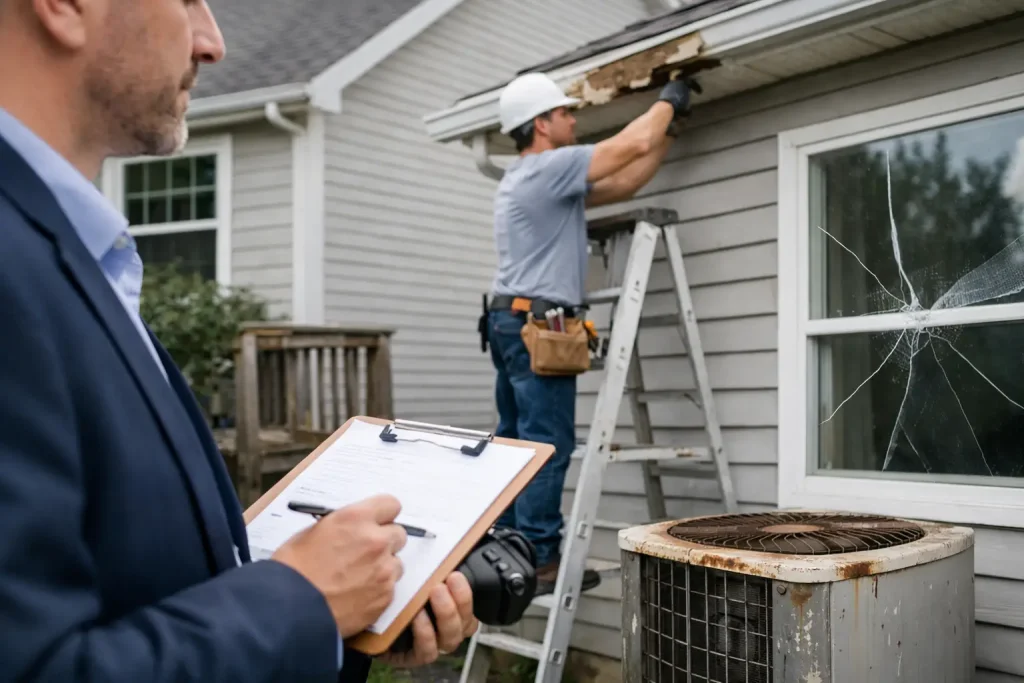
A sale can be ready to close until an appraisal report identifies a broken handrail, peeling exterior paint, an active roof leak, or a nonfunctioning utility. The question of what repairs appraisers require is common, but the answer depends less on the appraiser personally and more on the lender and loan program funding the property.
An appraiser’s job is to estimate market value and report visible conditions that could affect value, safety, habitability, or the lender’s collateral. The lender then decides whether repairs must be completed before closing, after closing, or not at all. For buyers, sellers, landlords, and property managers in Washington, DC and Maryland, understanding that distinction can prevent costly delays during an already time-sensitive transaction.
What an Appraiser Actually Looks For
An appraisal is not a home inspection. Appraisers do not test every outlet, operate every appliance, inspect inside walls, or certify that a building meets every current code requirement. They make a visual observation of the property, compare it with similar properties, document its condition, and flag obvious concerns.
The biggest issues are conditions that create a health or safety risk, indicate structural damage, prevent the home from being occupied, or threaten the property’s value. A lender may also require repairs when an issue affects whether the home meets the minimum property standards for a government-backed loan.
An appraiser can report a condition as “subject to” repair. That means the value opinion is based on the assumption that the stated work will be completed. The lender typically requires evidence of completion, often through a final inspection or appraisal update, before releasing loan funds.
What Repairs Appraisers Require for Different Loan Types
The loan program makes a major difference. Conventional financing is generally more flexible than FHA, VA, or USDA financing, although every lender can set its own underwriting requirements.
Conventional Loans
For a conventional loan, the central concern is whether the property provides adequate collateral for the mortgage. Minor cosmetic defects often do not stop closing. Worn carpet, dated cabinets, scuffed walls, and older but working systems may affect value, but they do not always trigger a repair condition.
However, a conventional lender may still require repair when the appraiser observes a significant issue such as roof damage, exposed wiring, missing flooring that creates a trip hazard, water intrusion, or a safety concern. A home sold strictly as-is can still face repair requirements if the buyer is using financing and the lender will not accept the condition.
FHA Loans
FHA appraisals place more emphasis on minimum property standards. The home must be safe, sound, and secure. FHA is often used by first-time buyers and borrowers with lower down payments, so lenders closely follow these standards.
Common FHA repair conditions include peeling paint in homes built before 1978, missing handrails, broken windows, exposed electrical components, leaking roofs, damaged steps, inadequate access to the property, and obvious water damage. Peeling paint is not merely cosmetic in an older home because it may create a lead-based paint hazard.
FHA does not require a property to be fully modernized. An older kitchen, outdated bathroom, or aging but functional furnace may be acceptable. The issue is whether the condition presents a current problem, not whether it matches modern design expectations.
VA and USDA Loans
VA and USDA loans also apply property-condition standards that focus on safe, livable housing. VA appraisers evaluate minimum property requirements, while USDA-financed homes must meet decent, safe, and sanitary standards.
Repairs often involve visible hazards, active leaks, unsafe electrical conditions, damaged roofs, missing railings, deteriorated exterior surfaces, inadequate heating, or plumbing problems. A detached garage with cosmetic wear may be less concerning than a damaged stairway leading to the primary entrance. The location and severity of a defect matter.
Repairs That Commonly Delay an Appraisal Clearance
No two appraisal reports are identical, but certain conditions appear regularly because they are easy to observe and difficult for a lender to overlook:
- Active roof leaks, missing shingles, damaged flashing, or visible ceiling stains that suggest ongoing water intrusion.
- Unsafe stairs, decks, porches, balconies, or entryways, including missing handrails and loose guardrails.
- Peeling or chipping paint, especially on pre-1978 homes where lead-based paint may be present.
- Exposed wiring, open electrical boxes, damaged service panels, or other visible electrical hazards.
- Broken windows, unsecured exterior doors, damaged siding, rotted trim, or openings that allow weather or pests inside.
- Plumbing leaks, nonfunctioning fixtures, damaged water heaters, or evidence that the home lacks reliable water service.
- Structural concerns such as sagging floors, major foundation cracks, damaged framing, or compromised retaining walls.
These are not automatic repair orders in every transaction. A small cosmetic crack in drywall is different from a crack that suggests movement. A stain from a fully repaired old leak is different from an active leak. Clear documentation and quality workmanship can help the lender distinguish a resolved issue from an ongoing concern.
Why Small Repairs Can Become Closing Problems
A repair may seem minor, but timing is often the real problem. If the appraiser conditions the report on repair, the lender may need a final inspection before closing. That can affect scheduling, rate-lock deadlines, moving plans, and contract contingencies.
Sellers should avoid quick cosmetic fixes that conceal rather than correct the issue. Covering a water stain without repairing the leak, repainting deteriorated wood without addressing rot, or tightening a loose handrail without properly anchoring it can lead to another failed review. Work should address the cause, meet applicable requirements, and be complete before the reinspection.
In DC and Maryland, permits may also be relevant for substantial electrical, plumbing, structural, or renovation work. An appraisal is not a permit inspection, but unpermitted work can raise questions during underwriting, title review, home inspection, or resale. A licensed, insured contractor can help identify when permits and code-compliant repairs are appropriate.
How to Prepare Before the Appraiser Arrives
The best time to address obvious defects is before the appraisal appointment. Walk the exterior and interior as if you were seeing the property for the first time. Look closely at the roofline, gutters, steps, decks, railings, paint, windows, doors, ceilings, utility areas, and any signs of moisture.
Make sure utilities are on and accessible areas can be viewed. If a basement, crawlspace, mechanical room, attic access, or detached structure is locked or blocked, the appraiser may be unable to complete the report. That can create a separate delay even when no repair is needed.
If repairs have already been completed, retain invoices, permits when applicable, photos, warranties, and contractor information. Documentation does not replace a final inspection, but it gives the lender useful context. It is particularly helpful after roof repairs, water-damage restoration, mold remediation, electrical corrections, and structural work.
For a property that needs broader rehabilitation, a standard purchase loan may not be the right fit. FHA 203K financing can allow qualified buyers to purchase and renovate a home through one loan, but the project must follow program procedures, contractor requirements, and draw schedules. Planning that scope early is far more practical than trying to force a major rehab through a conventional closing timeline.
When an Appraisal Repair Request Needs a Second Look
Not every request is clear-cut. If the report cites a problem that has already been repaired, identifies the wrong area, or characterizes a cosmetic issue as a safety concern, the lender may be able to request clarification from the appraiser. The buyer, seller, and real estate agents should not pressure the appraiser to change a conclusion, but they can provide factual information and repair documentation through the proper lender process.
The right response depends on the issue. A missing handrail usually calls for a straightforward correction. A suspected foundation problem may require evaluation by a qualified specialist. A water-damaged ceiling may need both leak repair and restoration before anyone can confirm that the condition is resolved.
For homeowners and property managers, the practical goal is not to guess what an appraiser will overlook. It is to correct visible safety, moisture, structural, and access issues before they become a lender condition. Capitol Area Services Inc. can help local property owners complete repair scopes with the workmanship, documentation, and code awareness needed to keep a transaction moving forward.